What the NATS Warning Light Means on Your Nissan Dashboard
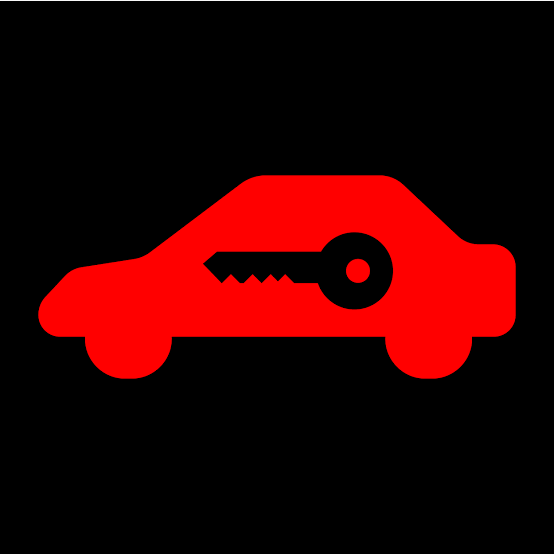
Understanding the car with key symbol on your Nissan dashboard
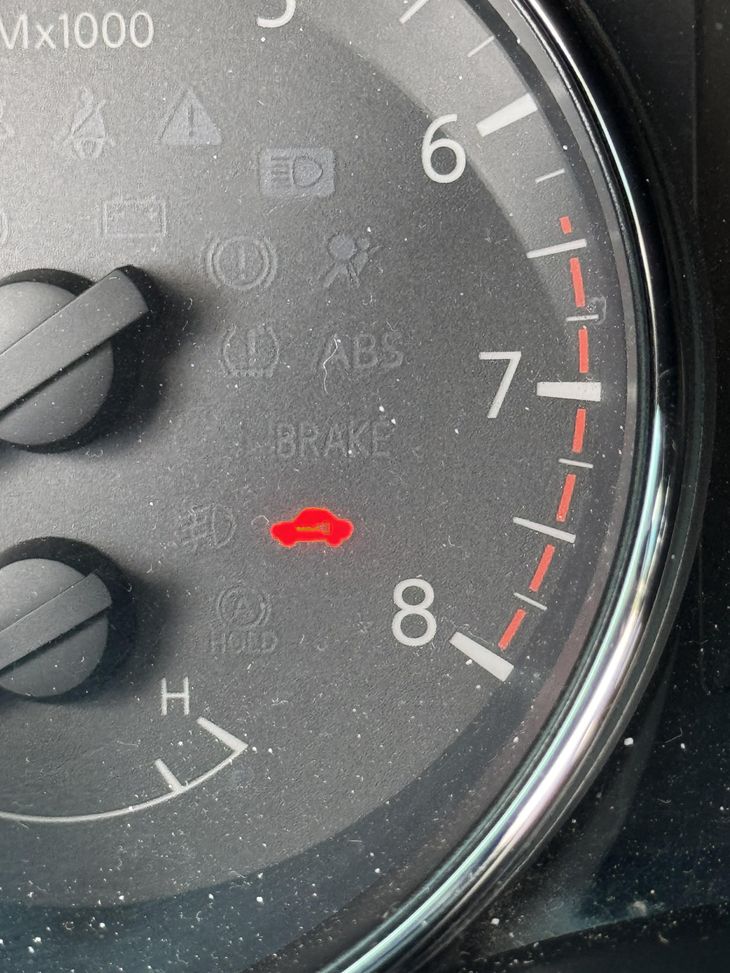
If you drive a Nissan and a small icon shaped like a car with a key inside it lights up on your dashboard, you are looking at the NATS warning light. This light is part of the Nissan Active Trace System (NATS), which is the brand's name for its factory-fitted anti-theft system. The light itself is not an engine light or a sign of mechanical failure. Instead, it is telling you something about the security system or the communication between your key fob and the car's electronics.
Many drivers see this light come on and immediately worry about a major fault. In most cases, the cause is much simpler than that. The NATS warning light can appear for reasons ranging from a low battery in the key fob to a mismatch in the key code between the transponder and the ECU. Understanding what triggers it and how to respond can save you a trip to the shop and a good deal of frustration.
What is NATS and how does it work?
NATS stands for Nissan Active Trace System, though the acronym originally referred to the Nissan Advanced Total security System in some older documentation. Whatever the full name, the system is an electronic immobiliser that prevents the engine from starting unless it recognises the unique code from your key fob. When you insert the key or press the start button, the ECU sends a challenge to the transponder inside the key fob. The fob must reply with the correct encrypted code. If the codes match, the immobiliser disengages and the ignition is allowed to proceed. If they do not match, the NATS warning light stays on and the engine will not start.
The system is designed to be reliable, but like any piece of electronics, it can encounter hiccups. The car with key symbol on the dashboard is the visual cue that the anti-theft system has detected something it does not like. It may be a genuine security threat, but far more often it is a simple communication breakdown.
Common reasons the NATS warning light comes on
There are a handful of typical triggers for this warning. Knowing them helps you narrow down the problem quickly.
- Weak or dead key fob battery. The transponder needs power to send its code. If the battery is low, the signal may be too weak for the ECU to read, so the system sees no valid key and lights the warning.
- Incorrect key code. If you have had a new key cut or a replacement fob programmed, the code may not match what the ECU expects. This can happen with aftermarket keys or if the programming was not completed correctly.
- Interference from other electronic devices. Strong radio signals or magnetic fields near the ignition switch can sometimes confuse the transponder communication, though this is rare.
- Fault in the ECU or the immobiliser circuit. A failing ECU or a wiring issue in the security system can cause the light to stay on even when the key is valid.
- Previous incomplete shutdown. If you turned off the car while the NATS system was mid-cycle, it may need a full reset before it will recognise the key again.
How to troubleshoot the NATS warning light yourself
Before you head to a workshop, there are a few simple diagnostics you can try at home. They cost nothing and often solve the problem.
1. Check the key fob battery
This is the most common fix. The key fob battery is a small coin cell, usually a CR2032 or similar. If the fob has been working fine and suddenly the NATS warning light appears, start here. Replace the battery with a fresh one. Make sure the contacts are clean and that the battery sits flat. After replacing, try starting the car. If the light goes out, you are done.
2. Try the spare key
If you have a second key fob, use it. If the spare works without the warning light appearing, the original fob is likely the culprit. That narrows the issue to the fob itself, not the car's electronics. A spare key that also triggers the light points to a problem in the car's receiver or ECU.
3. Perform a simple reset procedure
Many Nissan models allow a manual reset of the NATS system. The exact steps vary by model year, so your owner's manual is the best guide. A common method is to turn the ignition to the ON position (without starting the engine), wait for the NATS warning light to stop flashing, then turn the key to OFF and remove it. Repeat this cycle a couple of times. Some systems require you to press a button on the key fob at a specific moment. The manual will spell out the sequence for your vehicle.

4. Inspect the ignition area for obstructions
Dirt, debris, or even a damaged key can prevent the transponder from making good contact. Look at the key slot. If you see anything that might block the signal or the mechanical fit, clean it gently with compressed air or a soft brush.
When the light stays on after these steps
If the NATS warning light remains on after you have changed the fob battery, tried the spare, and attempted a reset, the issue may lie deeper. At this point, professional diagnostics are usually needed. A technician can connect a diagnostic tool to the ECU and read the exact error code stored by the security system. That code will tell them whether the immobiliser circuit has a fault, whether the ECU has a corrupt key code, or whether a component like the transponder ring around the ignition cylinder has failed.
One thing worth noting: the NATS warning light is separate from the engine light. If the car with key symbol is the only light on, your engine is likely fine. Do not confuse the two. The engine light relates to emissions and mechanical performance. The NATS light is purely about the anti-theft system. Treating them as the same problem can lead to unnecessary repairs.
Preventing future NATS warning light issues
There are a few habits that reduce the chances of seeing this light again. Keep your key fobs away from strong magnetic fields and extreme heat. Replace the key fob battery every year or two as preventive maintenance, not just when the light appears. If you have only one key, consider having a second one programmed by a qualified locksmith or dealership. That gives you a backup for both the key and the troubleshooting step of swapping fobs.
Also, if you ever have work done on the ignition system or the ECU, remind the technician about the NATS system. Sometimes a repair that involves disconnecting the battery or replacing the ECU can cause the immobiliser to lose its memory of the key code. A simple reprogramming session with the original keys is usually all that is needed to restore normal operation.
Final thoughts on the NATS warning light
The car with key symbol on your Nissan dashboard is a helpful indicator from the security system. It is not a sign that your car is about to break down. It is the system's way of saying it does not recognise the key, or that the communication link between the key fob and the ECU is broken. In the vast majority of cases, the cause is something you can address yourself: a dead battery in the fob, a need for a reset, or a simple mismatch in the key code. Only when those steps fail should you look for deeper issues in the immobiliser or ECU.
Keep your owner's manual handy. It contains the exact reset procedure for your model, and it will tell you where the NATS warning light is located on your specific dashboard layout. With a little knowledge and a fresh battery, you can often turn that light off in minutes and get back on the road without a trip to the shop.